

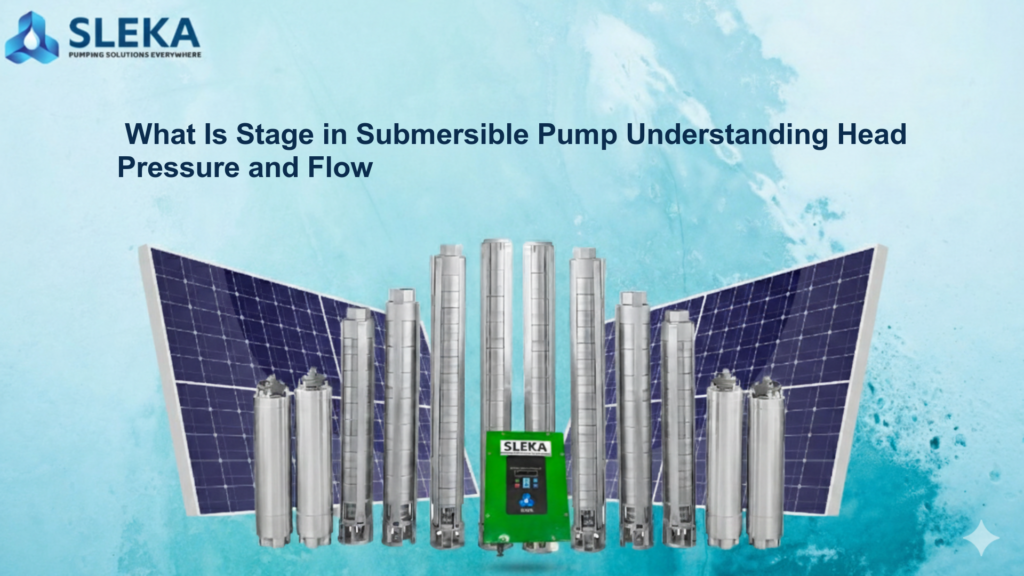
Understanding the intricacies of submersible pumps is essential for maximizing efficiency in various applications, especially in agriculture and industry. A critical aspect of these pumps is their “stage”, which plays a significant role in determining their head pressure and flow performance. In this post, we will explore what the stage in a submersible pump is and how it impacts their functionality and selection.
What Is Stage in Submersible Pump?
In simple terms, the “stage” of a submersible pump refers to the number of impellers or that particular pump has, which directly influences its ability to lift water. Each impeller works to increase the pressure of the water, allowing it to reach the surface from deep underground sources. Essentially, the more stages a pump has, the higher the pressure it can generate, making it suitable for applications requiring elevation over a significant height.
The choice of pump stage is vital for meeting specific pumping requirements. For instance, if you are looking to pump water from a greater depth, you might want a multi-stage pump. This is common in agricultural settings where water needs to be lifted from deep wells.
Head Pressure and Flow Rate
The relationship between head pressure and flow rate in submersible pumps is significant. Head pressure refers to the height to which the pump can elevate water, measured in meters. Flow rate, on the other hand, indicates the volume of water the pump can deliver over a specific time frame, usually measured in liters per minute (LPM).
When selecting a pump, it’s important to understand that increasing the number of stages generally increases the head pressure. However, there is often a trade-off with flow rate—more stages can mean a decrease in flow rate under certain conditions. Therefore, it is imperative to assess the specific needs of your application. Do you need high pressure, or do you require higher flow? This decision will guide your choice among various submersible pump manufacturers in India.
Choosing the Right Submersible Pump
When considering the best options, it’s important to look at various factors including size, efficiency, and reliability. SLEKA Industries, as one of the leading manufacturers of submersible pumps, offers a range of stages suitable for different applications. A 5HP submersible pump, for example, might be necessary for operations requiring heavy lifting, while smaller units could suffice for less demanding tasks.
Additionally, it’s wise to evaluate the overall cost, including installation and maintenance. The 5HP submersible pump price can vary significantly depending on the specifications and capabilities of the pump. Researching and comparing options from trusted companies ensures you get a reliable unit that meets your agricultural or industrial needs.
Conclusion
In conclusion, understanding what the stage in a submersible pump entails helps streamline the selection process for users across agriculture and industry. High-quality submersible pumps, particularly those from reputable manufacturers like SLEKA Industries, ensure efficient operation tailored to specific needs.
FAQ
-
What is the ideal number of stages for a submersible pump?
The ideal number of stages depends on your specific needs, including the depth of water and the required flow rate. -
Can a multi-stage pump affect energy consumption?
Yes, a multi-stage pump can impact energy consumption. Generally, they are more efficient at lifting water to greater heights, but this can come with increased operational costs. -
How do I maintain my submersible pump for long life?
Regular maintenance checks, ensuring clean power supply, and monitoring for blockages are key to prolonging the life of your pump.
For anyone looking to invest in submersible pumps, SLEKA Industries offers expert guidance and a range of products to suit your requirements!