

Submersible water pumps have become a cornerstone in various sectors, especially agriculture and industry. These pumps are designed to operate underwater, making them ideal for applications that require reliable and efficient water transfer from deep sources. Understanding the different types of submersible water pumps and their uses can help farmers and industries make informed decisions when selecting the right pump for their needs.
Types of Submersible Water Pumps
There are several types of submersible water pumps, each designed for specific tasks and environments. The most common types are:
-
Clean Water Pumps: These are designed for handling clean water, such as in irrigation systems or domestic water supply. They are ideal for agricultural applications where water quality is essential for crop growth. Clean water pumps are efficient, easy to maintain, and suitable for various depths.
-
Dirty Water Pumps: As the name suggests, these pumps can handle water that contains solids or debris. They are often used in construction sites, sewage treatment, or for draining flooded areas. Dirty water pumps are robust and built to withstand challenging conditions, making them essential for industrial applications.
-
Sewage Pumps: Specifically designed to move sewage and waste, these pumps are equipped with grinders to handle solids easily. They are typically used in sewage treatment plants or residential applications where regular waste removal is needed. Proper installation and maintenance of sewage pumps ensure effective waste management.
-
Deep Well Pumps: These pumps are utilized in applications requiring water extraction from deep wells. They are engineered to lift water from significant depths, making them essential for agricultural fields in arid regions. Deep well pumps have high efficiency and are usually multi-stage systems to ensure maximum output.
-
Fountain and Pond Pumps: Used primarily for aesthetic and recreational purposes, these pumps help maintain water circulation in fountains and ponds. They not only enhance the beauty of landscapes but also promote healthy ecosystems by ensuring adequate oxygen levels in the water.
-
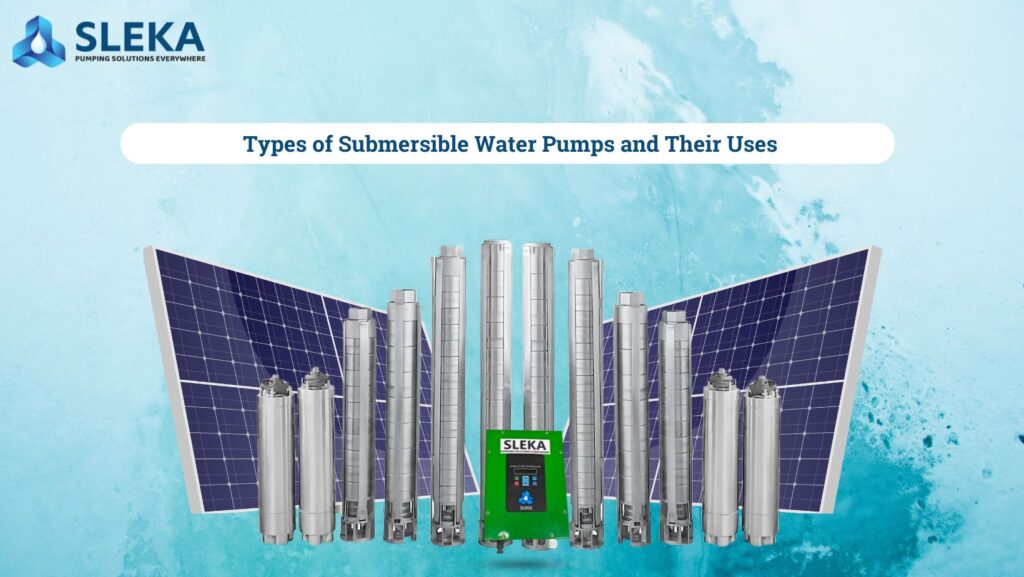
Solar Submersible Pumps: With the growing emphasis on sustainable energy, solar submersible pumps have gained popularity. These pumps utilize solar panels to operate, making them an eco-friendly choice for farmers looking to reduce their energy costs while obtaining water for irrigation.
Uses of Submersible Water Pumps
Submersible water pumps find applications in various fields, including:
-
Agriculture: Farmers use submersible pumps to irrigate fields, ensuring that crops receive an adequate supply of water regardless of environmental conditions. This is particularly crucial in regions facing water scarcity.
-
Industrial Applications: Industries utilize these pumps for dewatering, circulation, and wastewater management. They help maintain operations by removing excess water and managing effluents.
-
Construction Sites: In construction, submersible pumps are vital for removing water from excavation sites or keeping basements dry during construction processes.
-
Residential Uses: Many households use submersible pumps for domestic water supply from wells or boreholes, providing a reliable source of clean water for everyday needs.
In addition to these uses, submersible pumps contribute to various infrastructures, such as aquaculture, which relies on efficient water management systems.
Conclusion
Understanding the different types of submersible water pumps and their respective uses is essential for anyone looking to utilize them effectively. Whether in agriculture, industry, or residential settings, selecting the appropriate pump can enhance efficiency and productivity. As technology advances, the integration of solar energy with submersible pumps offers innovative solutions for sustainable water management.
FAQ
-
What factors should I consider when choosing a submersible water pump?
Consider the type of water (clean or dirty), the depth of water source, the flow rate needed, and the power source. -
How do I maintain my submersible water pump?
Regularly check for clogs, inspect the electrical connections, and ensure proper lubrication of moving parts to maintain performance. -
Can submersible pumps be used for irrigation?
Yes, submersible pumps are commonly used for irrigation in agriculture, providing a consistent water supply to crops.
For further assistance on selecting the right submersible water pump for your needs, feel free to reach out to SLEKA Industries. We’re here to help you make informed decisions.