

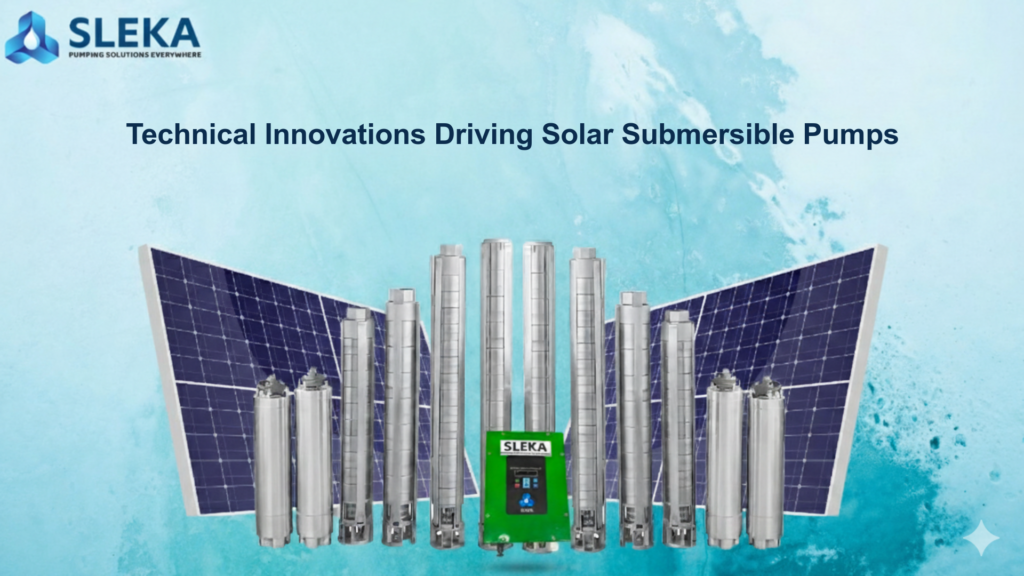
The demand for sustainable energy solutions has never been greater, particularly in the agricultural sector where water management is crucial. One of the most significant advancements in this area is the development and adoption of solar submersible pumps. These innovative devices not only enhance efficiency but also align with the long-term goals of reducing dependence on conventional energy sources. Let’s delve into how technical innovations are shaping the future of solar submersible pumps.
Understanding Solar Submersible Pumps
Solar submersible pumps are designed specifically for pumping water from deep underground sources. These systems harness solar energy, utilizing photovoltaic (PV) panels to generate power, making them ideal for remote areas where electricity access is limited. Unlike traditional submersible pumps, which often rely on grid electricity or diesel fuel, solar versions are cleaner, reducing both operational costs and environmental impact.
Advancements in Technology
Recent technological innovations have significantly improved the performance and reliability of solar pumps. High-efficiency pumps are now available, designed to maximize solar energy utilization. These pumps operate effectively under varying sunlight conditions, ensuring optimal water delivery throughout the day. Improved controllers and sensors monitor performance in real-time, adjusting operations based on changing environmental factors.
For instance, modern smart controllers can enhance the operation of solar pumps by tracking solar intensity and adjusting pump speed accordingly. This means farmers can enjoy a consistent water supply while minimizing waste. Such advancements position future solar pumps as crucial components in efficient water resource management.
Benefits of Solar Submersible Pumps
The benefits of incorporating solar submersible pumps are numerous:
- Cost-effectiveness: Lower operational costs compared to diesel or grid-powered alternatives.
- Sustainability: Utilizing renewable solar energy helps reduce carbon footprints.
- Scalability: These systems can be easily scaled to meet the growing water demands of agricultural enterprises.
- Maintenance: With fewer moving parts than conventional pumps, solar submersible pumps require less maintenance, allowing farmers to focus on crop production rather than equipment upkeep.
Moreover, SLEKA Industries provides a comprehensive range of solar pumps and accessories designed to support Indian farmers effectively.
Conclusion
As we look towards a more sustainable future, the adoption of solar submersible pumps becomes increasingly vital. The technical innovations in this field promise to enhance efficiency, reduce costs, and contribute to sustainable agricultural practices. Farmers embracing this technology will not only benefit from improved water management but also contribute to a cleaner environment.
FAQ
1. What are the main benefits of using solar submersible pumps?
Solar submersible pumps are cost-effective, sustainable, and easy to maintain, making them an excellent choice for farmers.
2. How do solar submersible pumps work?
They utilize solar panels to convert sunlight into electricity, which powers the pump to draw water from underground sources.
3. Are solar pumps suitable for all agricultural needs?
Yes, solar submersible pumps can be tailored to meet different agricultural requirements, from irrigation to livestock watering.
For more information about enhancing your agricultural practices with advanced technologies, visit SLEKA Industries. Explore how our solar solutions can make a difference for your farming needs.