

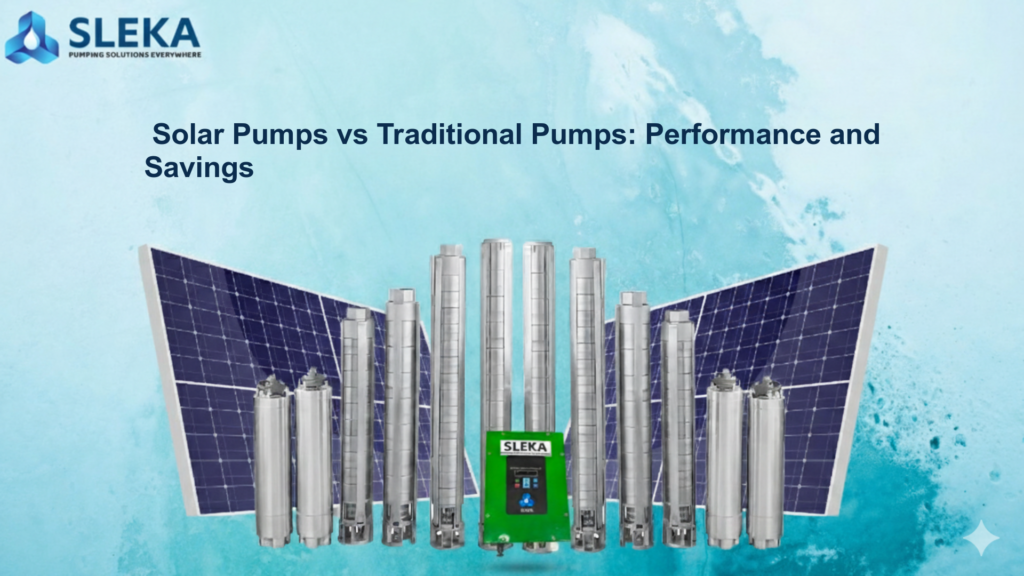
Solar Pumps vs Traditional Pumps: Performance and Savings
In the realm of agricultural and industrial pumping solutions, the choice between solar pumps and traditional pumps has significant implications for performance and long-term savings. As the world moves towards sustainable energy, understanding the benefits of solar submersible pumps can help farmers and businesses make informed decisions. This article delves into the differences between solar pumps and traditional pumps, emphasizing the performance advantages and cost savings associated with solar technology.
Understanding Solar Pumps
Solar pumps harness solar energy, converting sunlight into mechanical power to pump water. This technology is especially beneficial in rural and remote areas where electricity supply is inconsistent. On the other hand, traditional pumps typically rely on electricity or fossil fuels, which can incur high operational costs and maintenance challenges. Solar submersible pumps, a category of solar pumps, are designed for underwater installation, making them ideal for borewells and deep water sources.
Efficiency and Performance
When comparing high-efficiency pumps, solar pumps stand out due to their ability to operate independently from the grid. Here are some performance benefits:
- Energy Independence: Solar pumps operate on renewable energy, reducing dependence on traditional electricity sources.
- Lower Operating Costs: By eliminating electricity bills, farmers can see a significant reduction in operational expenses. The initial investment often pays off quickly through savings.
- Maintenance Advantages: Solar submersible pumps generally require less maintenance compared to traditional pumps, further enhancing their suitability for agricultural applications.
Cost Benefits of Solar Pumps
Adopting solar pump technology not only enhances performance but also translates into considerable savings over time. Here’s how:
-
Reduced Energy Costs: Since solar pumps use sunlight, the costs associated with electricity consumption are drastically lowered. For farmers, this can mean more money available for reinvestment into their operations.
-
Long-Lasting Investment: While the upfront cost for high-efficiency solar pumps may be higher than some traditional options, the durability and lower cost of ownership lead to enhanced long-term savings.
-
Support for Sustainable Practices: By investing in solar technology, industries align themselves with sustainable practices, which can attract eco-conscious consumers and clients.
The Future of Solar Pumps
The development of advanced solar technologies is paving the way for even more efficient solar pumps. With innovations on the horizon, these future solar pumps promise improved performance, greater energy efficiency, and even lower costs.
Conclusion
In summary, the transition from traditional pumps to solar pumps offers numerous advantages for both agricultural and industrial sectors. The ability to operate independently, coupled with significant savings on energy costs, makes solar submersible pumps an excellent choice for a sustainable future. As technology continues to advance, investing in solar pumps is not just a choice for today but a commitment to a more efficient and environmentally friendly tomorrow.
FAQ
1. How long do solar pumps last?
Solar pumps can last for many years with proper maintenance, typically ranging between 15 to 25 years.
2. Do solar pumps work on cloudy days?
Yes, solar pumps can still operate on cloudy days, though efficiency may be slightly reduced. They can also store energy for use during low sunlight periods.
3. What is the maintenance requirement for solar pumps?
Solar pumps require minimal maintenance, mainly focusing on occasional cleaning and checking the solar panels for optimal efficiency.
Investing in solar pumping solutions not only boosts your productivity but also contributes to a sustainable future. Explore SLEKA’s range of solar submersible pumps today for more information!