

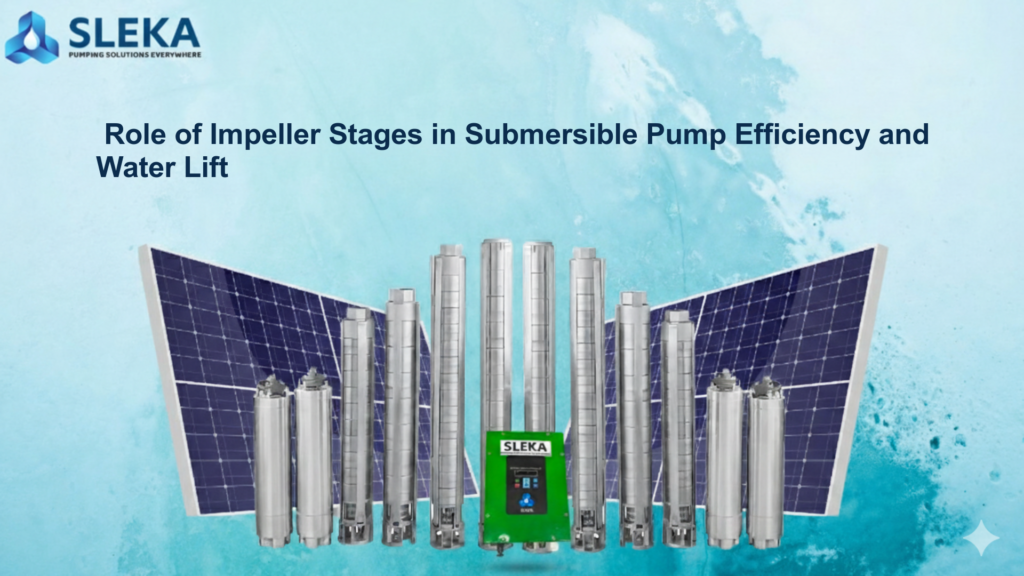
The efficiency of submersible pumps is a critical consideration for agricultural and industrial applications, where reliable water lift is essential. One of the key factors influencing a submersible pump’s performance is the impeller stage. Understanding what a stage is in submersible pumps can greatly impact the selection process for end-users seeking optimal efficiency and effectiveness.
Understanding the Impeller Stages
A submersible pump is designed to operate underwater, making it a vital solution for drawing water from deep wells or boreholes. Impeller stages refer to the number of impellers in a pump. Each impeller creates pressure, allowing for the lifting of water to the surface. In simpler terms, the more impeller stages a pump has, the higher the potential water lift, making it an essential factor in assessing pump performance.
In the case of a 5HP submersible pump, for example, selecting a pump with the appropriate number of stages can maximize lifting capacity while ensuring energy efficiency. Impeller stages not only contribute to the height water can be lifted but also affect the overall efficiency of the pump. High-efficiency pumps designed with multiple impeller stages allow for more consistent water flow and reduced energy consumption.
Benefits of Multiple Impeller Stages
- Increased Water Lift: More stages equate to greater lifting capability, particularly beneficial for deeper wells.
- Efficiency: Pumps with multiple impeller stages can operate more efficiently, translating to lower operational costs.
- Smoother Operation: More stages can help achieve a smoother flow of water, reducing strain on the pump and extending its lifespan.
When considering the best submersible pump company in India, it’s essential to evaluate how many stages are needed based on your specific water lifting requirements. SLEKA Industries is known for manufacturing high-performance submersible pumps, equipped with thoughtful designs catered to various agricultural and industrial needs.
Choosing the Right Stage Configuration
Selecting the right configuration allows users to match their specific applications. Factors to consider include:
- Depth of Water Source: Deeper sources typically require pumps with more stages.
- Flow Rate Requirements: Depending on how much water you need extracted, stages can be tailored to meet these demands efficiently.
- Energy Costs: Analyzing the long-term cost savings from energy-efficient multi-stage pumps can significantly influence initial purchasing decisions.
Discussing your requirements with reputable submersible pump manufacturers in India can provide insights into the configurations that would best suit your operations.
Conclusion
Understanding the role of impeller stages in submersible pumps is crucial for anyone looking to invest in reliable water lifting solutions. More stages generally enhance lifting capacity and efficiency, tailoring the pump to meet specific needs. With numerous options available, aligning your choice with reliable manufacturers like SLEKA Industries ensures quality performance.
FAQ
- What is the ideal number of stages for a submersible pump?
- The ideal number of stages depends on the depth of the water and the required flow rate. Consulting with manufacturers can help determine the best configuration.
- How do impeller stages affect pump efficiency?
- More impeller stages usually improve efficiency by delivering higher pressure and a consistent flow, reducing energy consumption.
- Can I use a multi-stage pump for different applications?
- Yes, multi-stage pumps are versatile and can be used effectively in various applications from agriculture to industrial settings.
For anyone seeking reliable and efficient submersible pumping solutions, SLEKA Industries offers a variety of options tailored to meet operational needs. Explore SLEKA’s offerings for further insights into your submersible pump requirements.