
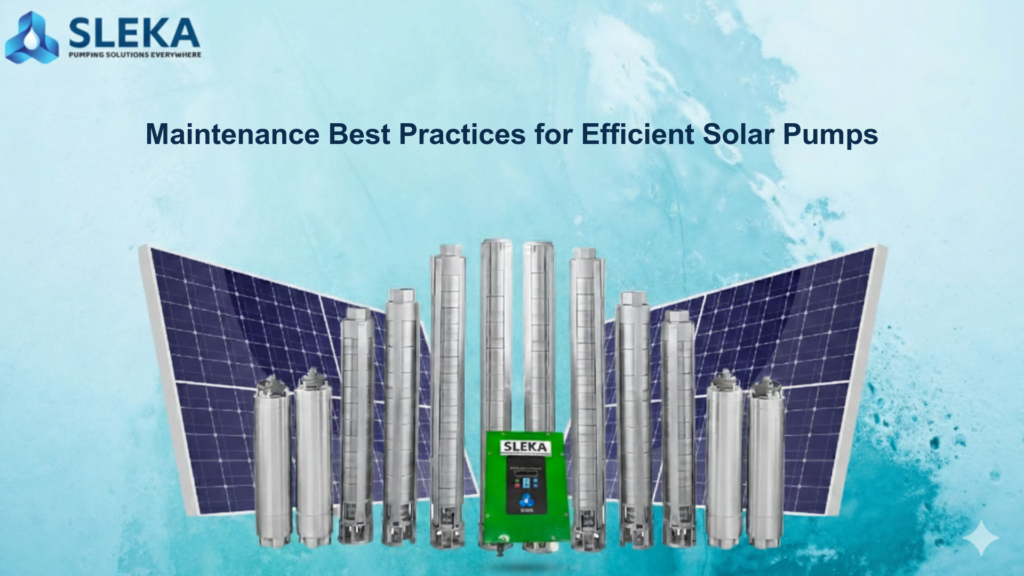
Maintaining solar pumps is essential for ensuring their efficiency and longevity, particularly for farmers and industries relying on them for irrigation and water supply. By following best practices for maintenance, users can maximize the performance of their solar submersible pumps, prevent costly repairs, and enjoy uninterrupted service.
Understanding the Importance of Maintenance for Solar Pumps
Solar pumps, especially solar submersible pumps, utilize renewable energy to operate efficiently. To keep these high-efficiency pumps running optimally, regular maintenance is crucial. Proper upkeep not only enhances the operational lifespan of the pumps but also contributes to effective water management in agriculture and industrial applications. Neglecting maintenance can lead to reduced performance and increased downtime, which can be detrimental to farming routines and industrial processes.
Best Practices for Maintaining Solar Submersible Pumps
1. Regular Inspections
Conducting routine inspections is critical for early detection of potential issues. Key areas to focus on include:
- Electrical Components: Check for loose connections, wear and tear, and signs of corrosion.
- Water Quality: Monitor for debris or sediment that could clog the pump and impact performance.
- Mechanical Parts: Inspect seals and bearings for signs of wear.
Document all findings and address any issues promptly to prevent further complications.
2. Cleaning and Flushing
Contaminants can accumulate and affect the pump’s efficiency. To maintain optimal operation:
- Clean Filters: Ensure that any filters are clean and free from blockages.
- Flushing the System: Periodically flush the system to remove sediment and scale build-up, which can impede flow rates and performance.
Implementing a consistent cleaning schedule based on pump usage can greatly enhance reliability.
3. Monitor Pump Performance
Staying vigilant about the performance metrics of solar pumps can provide insights into their condition.
- Flow Rates: Regularly check that flow rates are within expected ranges, as declines may indicate filter clogs or pump issues.
- Power Consumption: Monitor energy usage to identify any sudden increases, which may signal mechanical problems or inefficiencies.
Utilizing performance data empowers users to make informed decisions regarding maintenance and repairs.
Conclusion
Embracing a proactive maintenance regime for solar pumps, particularly solar submersible pumps, is key to ensuring long-term efficiency and reliability. By following these best practices, users can enhance performance, minimize downtime, and maximize the utility of their high-efficiency pumps in both agricultural and industrial settings.
FAQ
1. How often should I inspect my solar pump?
Routine inspections are recommended at least once every quarter, but this may vary based on usage and environmental conditions.
2. What common issues arise with solar submersible pumps?
Common issues include electrical failures, clogged filters, and mechanical wear. Regular maintenance helps prevent these problems.
3. Can I perform maintenance on my solar pump myself?
While basic maintenance tasks can be performed by users, it is advisable to seek professional assistance for complex issues to avoid damaging the system.
For more insights into optimizing your solar pump performance and maintenance, visit SLEKA Industries. Keeping your equipment in top shape ensures efficient operation and trust in your irrigation solutions!