

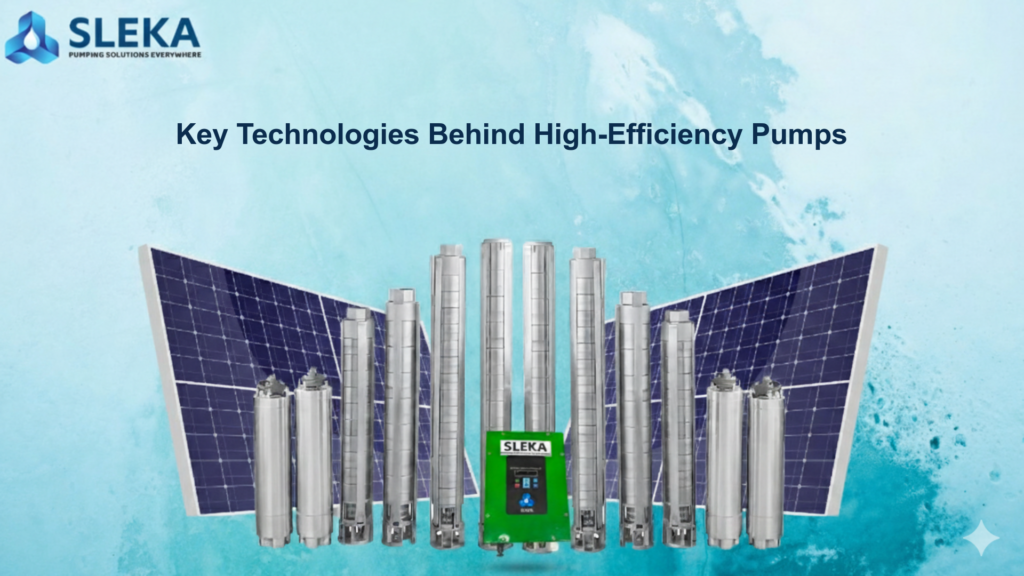
High-Efficiency Pumps: Key Technologies Behind Their Success
As the demand for sustainable and cost-effective irrigation solutions rises, high-efficiency pumps have emerged as a game-changer in both agricultural and industrial sectors. Among these, submersible pumps and solar pumps have gained significant attention for their efficiency and reliability. This article explores the key technologies driving high-efficiency pumps, particularly focusing on solar submersible pumps and their role in the future of sustainable farming.
The Rise of High-Efficiency Pumps
High-efficiency pumps play a vital role in optimizing water usage, especially for farmers who rely on consistent irrigation for their crops. These pumps are crafted to minimize energy consumption while maximizing performance. Key advancements, such as improved motor designs, innovative controller technology, and enhanced materials, contribute to the efficiency of modern pumps. As a result, users can expect less energy consumption and reduced operational costs, making high-efficiency pumps a wise investment for anyone in agriculture or industrial sectors.
Solar Submersible Pumps: Harnessing the Power of the Sun
One of the most remarkable innovations in the field of high-efficiency pumps is the development of solar submersible pumps. These pumps utilize solar energy to operate, enabling farmers to irrigate their fields without the dependency on grid electricity or fossil fuels. This transition not only benefits the environment but also reduces operational costs significantly.
-
How They Work: Solar submersible pumps are equipped with photovoltaic panels that convert sunlight into electricity. The energy generated is then used to power the pump, allowing it to operate efficiently, even in remote areas where electricity supply may be scarce.
-
Benefits for Farmers: The advantages are clear. With minimal installation costs and virtually free energy from the sun, farmers can sustain irrigation even during prolonged droughts. This leads to improved crop yields and contributes to food security.
-
Future of Solar Pumps: As technology continues to evolve, the future of solar pumps looks bright. Innovations are being made in battery storage and smart irrigation systems, allowing for further optimization of water usage. This evolution not only promises sustainability but also enhances productivity in farming.
Key Technologies Driving High Efficiency
Several technological advancements are crucial in optimizing high-efficiency pumps. These include:
-
Variable Frequency Drives (VFDs): VFDs allow for precise control of pump speeds based on real-time demand, leading to lower energy consumption and better adaptation to varying water needs.
-
Smart Controllers: These systems help in monitoring pump performance and make adjustments to ensure optimal efficiency. They often include features like remote monitoring and automated maintenance alerts.
-
Advanced Materials: The use of durable materials that resist corrosion and wear ensures longevity and reduces maintenance costs, making pumps more reliable in the long run.
By integrating these technologies, SLEKA Industries is committed to providing high-efficiency pumps that not only meet the diverse needs of the agricultural sector but also support sustainable practices.
Conclusion
The future of irrigation lies in high-efficiency pumps, particularly solar submersible pumps, which harness renewable energy and modern technology to improve agricultural productivity. As these innovations continue to develop, they stand at the forefront of creating a more sustainable and efficient farming landscape.
FAQ
What are high-efficiency pumps?
High-efficiency pumps are designed to operate with minimal energy consumption, thereby optimizing water delivery and reducing operational costs.
How do solar submersible pumps work?
Solar submersible pumps are powered by solar panels that convert sunlight into electricity, allowing them to operate without reliance on grid electricity.
What are the advantages of using solar pumps in agriculture?
Solar pumps reduce dependence on fossil fuels, minimize energy costs, and support sustainable irrigation practices, ultimately leading to improved crop yields.
For more insights about solar pumps and to explore our range of products, visit SLEKA Industries. Your journey toward sustainable irrigation solutions starts here!