

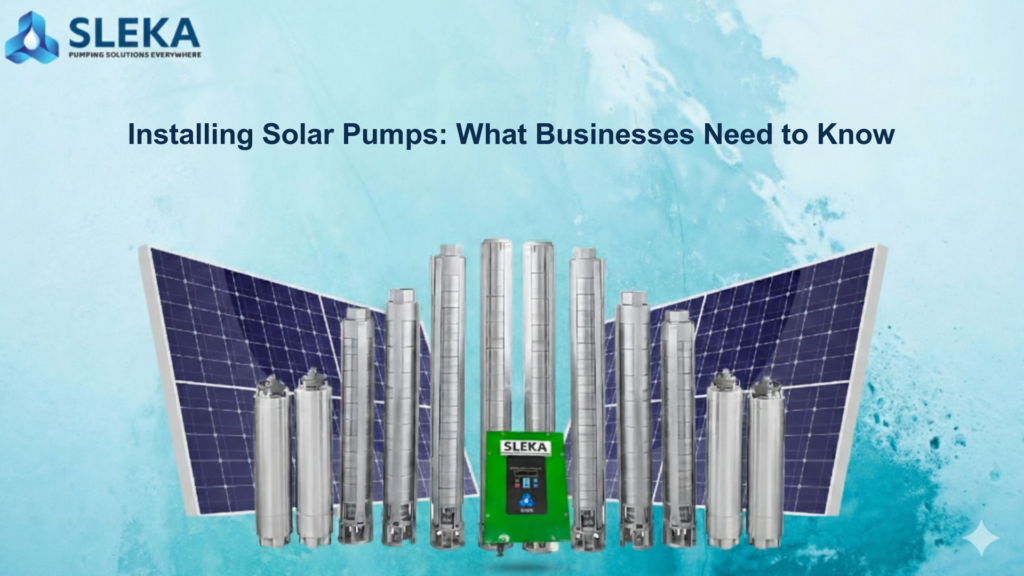
Installing Solar Pumps: What Businesses Need to Know
In the modern landscape of agriculture and industry, the need for sustainable and efficient water solutions has never been more critical. Solar pumps, specifically solar submersible pumps, offer a robust solution for various applications. By harnessing the sun’s power, businesses can access high-efficiency pumps that minimize operational costs while supporting environmentally friendly practices. However, the installation of these systems requires careful consideration and planning. In this article, we’ll explore essential aspects of installing solar pumps for businesses.
Understanding Solar Pumps
Solar pumps are powered by photovoltaic panels, converting sunlight into electricity to operate the pump. The primary types of solar pumps include surface pumps and submersible pumps. Among these, solar submersible pumps are particularly effective for deep well applications, delivering water efficiently even from significant depths. Businesses that rely on consistent water supply—such as farms, breweries, and large industrial facilities—can greatly benefit from these systems.
Advantages of Solar Submersible Pumps
- Cost-Effectiveness: Once installed, solar submersible pumps have minimal operating costs since they utilize free solar energy.
- Low Maintenance: These pumps are generally easy to maintain and have a longer lifespan compared to traditional diesel or electrical pumps.
- Environmental Impact: Solar pumps help reduce carbon emissions, making them an ideal choice for eco-conscious businesses.
Planning Your Solar Pump Installation
Before proceeding with the installation of solar pumps, businesses should consider several key factors:
- Assess Water Needs: Determine the volume of water required and the depth from which it must be drawn. This assessment will inform the type and size of the solar submersible pump needed.
- Evaluate Solar Potential: Conduct a solar site assessment to understand the available sunlight in your area. The efficiency of solar panels varies with sunlight exposure, impacting the performance of the entire system. Tools like SLEKA’s solar assessment guide can assist in this evaluation.
- Infrastructure Requirements: Plan the installation site for solar panels and the pump, ensuring accessibility for both installation and maintenance.
Choosing the Right System
When selecting high-efficiency pumps, consider:
- Power Output: Ensure the pump matches your water needs based on solar panel capacity.
- Durability: Look for pumps designed to withstand local weather conditions and significant usage.
- Manufacturer Reputation: Align with trusted manufacturers like SLEKA Industries, known for their reliability in solar solutions.
Future Trends in Solar Pump Technology
The landscape of solar pumps is constantly evolving, with future solar pumps expected to feature advanced technologies such as IoT integration for monitoring and performance optimization. Embracing these innovations can further enhance efficiency and reliability. Businesses should stay informed about these advancements to maximize their investments in solar technology.
Conclusion
Installing solar pumps can represent a transformative step for businesses looking to improve their water management practices. With the proper planning and consideration of key factors, such as assessing water needs and evaluating solar potential, companies can enjoy the benefits of high-efficiency solar submersible pumps. This sustainable solution not only supports operational efficiency but also aligns with global efforts for environmental sustainability.
FAQ
1. What is a solar submersible pump?
A solar submersible pump is a type of pump designed to operate underwater, powered by solar energy generated through photovoltaic panels.
2. How do I determine the right size solar pump for my needs?
To determine the right size, assess your water volume needs and the depth of the water source. Consulting with experts can also provide valuable guidance.
3. What maintenance do solar pumps require?
Solar pumps require minimal maintenance, mainly focusing on cleaning the solar panels and periodic checks on the pump for any wear and tear.
Investing in solar pumps can significantly elevate your operational capabilities while promoting sustainability. For further assistance and expert advice, reach out to the team at SLEKA Industries.