

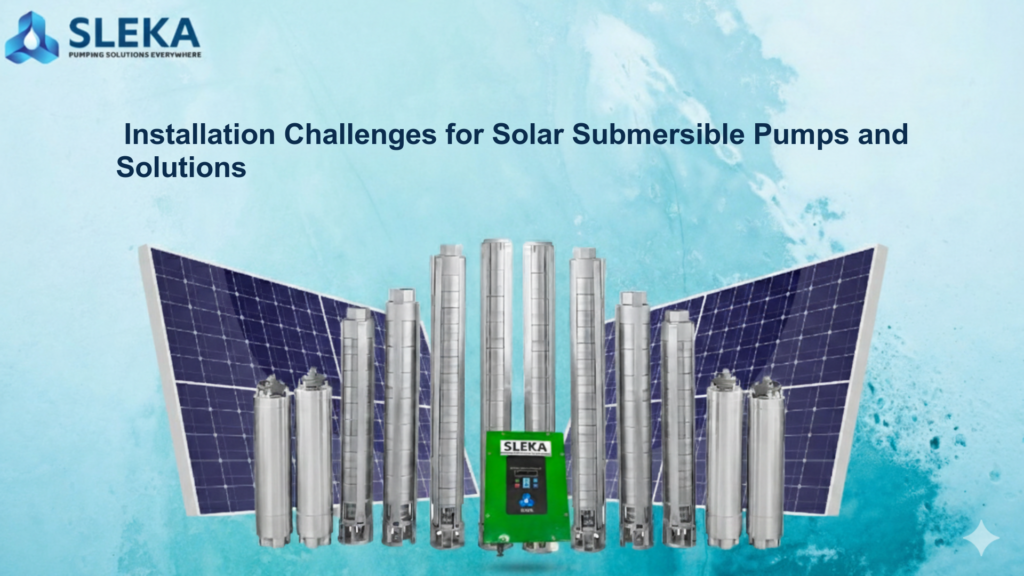
Installation Challenges for Solar Submersible Pumps and Solutions
As the agricultural sector increasingly shifts towards sustainable energy solutions, Solar Submersible Pumps are becoming a popular choice for irrigation and water management. These high-efficiency pumps harness solar energy, making them ideal for rural areas where electricity supply can be erratic or nonexistent. However, the installation of solar pumps is not without its challenges. Understanding these obstacles and their solutions is crucial for achieving optimal performance and longevity of the system.
Common Installation Challenges
One of the primary challenges faced during the installation of Solar Submersible Pumps is the site selection. The terrain must be suitable for both the solar panels and the pump system. Locations with excessive shade or uneven ground can significantly hinder performance.
Another challenge is the system compatibility. Ensuring that the solar panels, inverter, and submersible pump work seamlessly together is essential. Mismatched components can lead to inefficiencies and costly failures.
Water table depth is also a critical consideration. If the water table is deeper than the pump’s capacity, it can lead to operational failures.
Solutions to Overcome Challenges
To ensure effective installation of solar pumps, thorough site assessments should be conducted. This includes evaluating the solar potential of the location and ensuring that there is ample sunlight for the solar panels. For further guidance, SLEKA Industries offers resources on optimal site selection.
In terms of compatibility, working with reliable suppliers who understand the technical specifications of their products is crucial. Detailed planning and installation from experienced professionals can help avoid mismatches.
Regarding water table issues, selecting high-efficiency pumps designed for greater depths can offer a solution. These pumps are specifically built to draw water from deeper sources, ensuring that farmers have reliable access to water regardless of conditions.
Maintenance Considerations
Installing Solar Submersible Pumps is just the beginning. Regular maintenance is vital to keep the system functioning efficiently. This includes cleaning the solar panels and checking the pump for any signs of wear and tear. Regular checks can help prevent major breakdowns and extend the lifecycle of your system.
For more information on maintaining solar systems and maximizing their benefits, visit the maintenance section on our website.
Conclusion
While the installation of Solar Submersible Pumps can present several challenges, understanding and addressing these issues can lead to successful implementation and operation. By carefully evaluating site conditions, ensuring component compatibility, and selecting the right pump for your needs, you can reap the benefits of solar energy in agriculture.
FAQ
1. What factors should I consider when installing Solar Submersible Pumps?
Consider site conditions, water table depth, and compatibility of components.
2. How often should Solar Submersible Pump systems be maintained?
Regular maintenance is recommended at least once a month to ensure efficiency.
3. Can I install a solar pump myself?
While DIY installation is possible, professional installation is advised to avoid compatibility issues.
For more insights into solar solutions and to learn how SLEKA can assist you in choosing the best systems for your needs, please visit SLEKA Industries.