

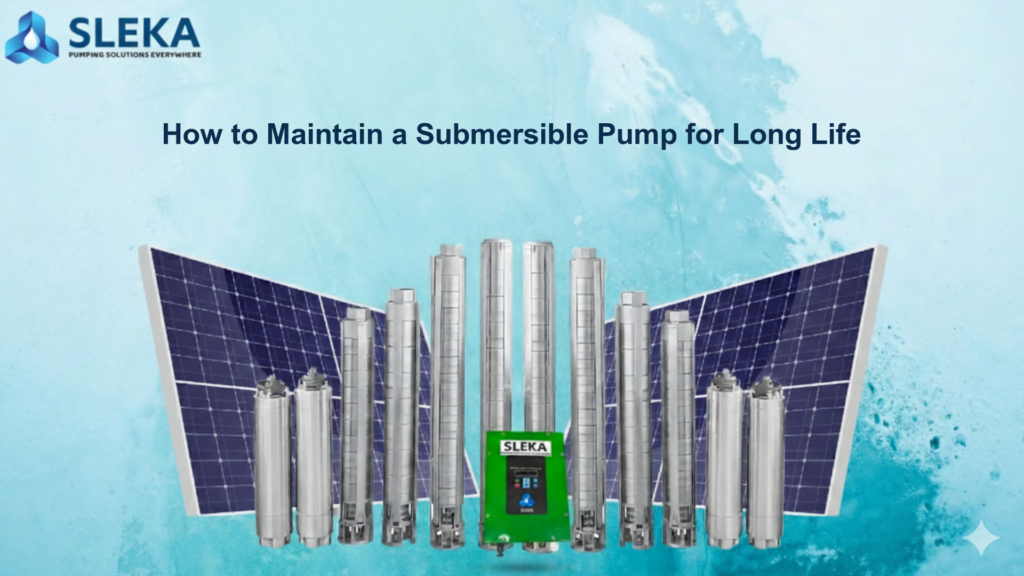
Maintaining a submersible pump is crucial for ensuring its durability and efficiency, especially in agricultural and industrial applications. Proper maintenance not only extends the life of the pump but also maximizes its performance, ultimately leading to greater productivity. This guide will explore essential maintenance tips to keep your submersible pump working seamlessly.
Understanding Submersible Pumps
Submersible pumps are designed to operate underwater, making them a popular choice for agricultural irrigation, drainage, and dewatering applications. These pumps are efficient and reliable, particularly in remote locations where solar energy can be harnessed. Farmers and industrial users are increasingly turning to solar submersible pumps for their ability to operate efficiently with renewable energy. Understanding how to maintain these pumps is vital for long-term use, especially as the industry moves towards high-efficiency pumps for sustainable operations.
Regular Inspection and Cleaning
Routine inspections are key to maintaining the functionality of your submersible pump. Here are some important steps to follow:
- Check for Debris: Regularly inspect the intake of the pump for any debris or blockages. Sediments, dirt, or plant material can decrease efficiency and increase wear and tear.
- Inspect Electrical Connections: Ensure that the electrical connections are secure and free from corrosion. This is particularly important for solar pumps, which rely on consistent power supply from solar panels.
- Clean the Pump Housing: Periodically clean the pump housing and components. A buildup of minerals or algae can hinder performance.
By incorporating these inspection and cleaning practices, you can avoid costly repairs and ensure that your solar submersible pumps remain operational.
Optimal Operating Conditions
Maintaining optimal operating conditions can significantly enhance the longevity of your submersible pump. Consider the following factors:
- Monitor Water Level: Ensure that the water level remains within the operational limits of the pump. Running the pump dry can lead to overheating and potential failure.
- Temperature Regulation: Keep the pump in a temperature-controlled environment. Extreme temperatures can affect the pump’s efficiency and lifespan.
- Use High-Quality Spare Parts: When replacement is necessary, always opt for high-quality spares from trusted suppliers. Using genuine parts ensures compatibility and performance, reducing the risk of malfunction.
Understanding the operating conditions will help in maintaining efficient and effective service from your high-efficiency pumps.
Regular Professional Servicing
While DIY maintenance is useful, regular professional servicing should not be overlooked. Schedule inspections at least once a year with a qualified technician to ensure comprehensive evaluations of your submersible pump. They can perform in-depth examinations and identify potential issues before they escalate into major problems.
By establishing a regular servicing routine, you can gain valuable insights into your pump’s health and necessary improvements, ensuring it continues to function efficiently.
Conclusion
Maintaining a submersible pump is essential for its longevity and optimal performance. With proper inspections, optimal operating conditions, and regular professional servicing, you can significantly enhance the lifespan of your pump. As the future of agriculture leans towards renewable energy solutions, investing in the maintenance of solar submersible pumps becomes even more critical for sustainable practices.
FAQ
1. How often should I inspect my submersible pump?
It is recommended to inspect your submersible pump at least once a month and conduct a thorough check every six months.
2. What are the signs of a failing submersible pump?
Signs include unusual noises, reduced flow rate, or the pump not starting. If you notice these, seek professional advice immediately.
3. Can I clean my submersible pump myself?
Yes, you can clean the pump housing and check for debris, but for internal checks and repairs, it’s best to consult with a professional.
Maintaining your submersible pump is an investment in efficiency and sustainability. For more tips and high-quality products, visit SLEKA Industries.