

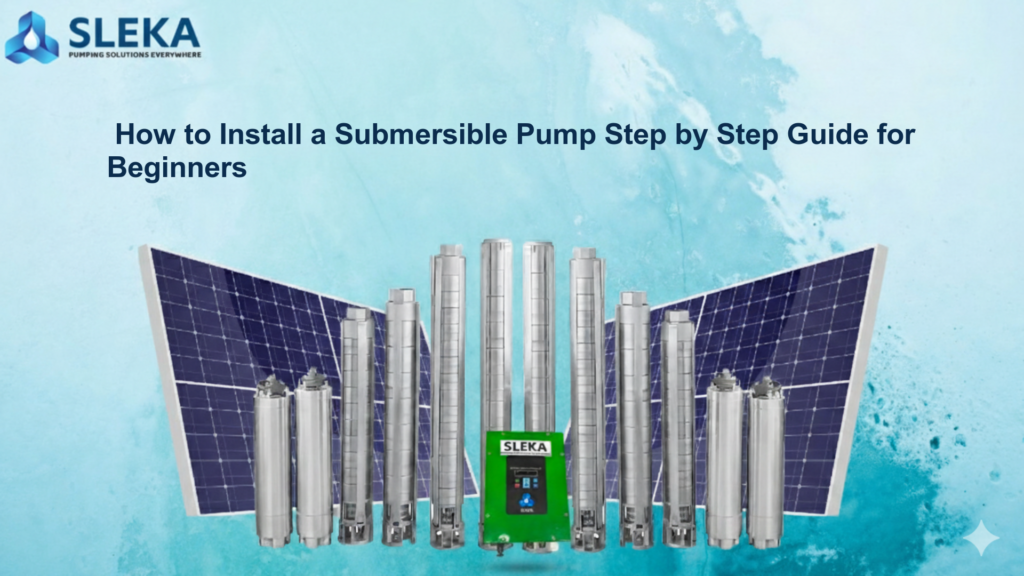
Installing a submersible pump can seem daunting, especially for beginners. However, with the right guidance and step-by-step instructions, anyone can accomplish this task effectively. Submersible pumps are essential in various applications, from agriculture to industrial uses, and understanding how to install one properly can greatly enhance its efficiency and lifespan. This guide will walk you through the installation process, ensuring you have all the information you need.
Understanding Submersible Pumps
Before diving into the installation process, it’s vital to understand what a submersible pump is. A submersible pump is a device designed to be submerged underwater, making it highly effective for pumping water from wells, boreholes, and other deep-water sources. One important aspect to consider is the stage of the submersible pump, which refers to the number of impellers and volutes which affect the pump’s pressure and flow rate.
If you’re seeking the best submersible pump company in India, SLEKA Industries is a trusted name that specializes in a wide range of submersible pumps, motors, and controllers.
Step-by-Step Guide to Installing a Submersible Pump
Step 1: Gather Required Materials
Before you begin the installation, ensure you have the following tools and materials:
- Submersible pump
- Power supply
- Well casing pipe
- PVC pipe
- Cable and connectors
- Tape measure
- Electrical tape
- Safety gear
Step 2: Prepare the Installation Site
- Choose the Location: Identify a suitable location for the submersible pump based on your water source.
- Measure Depth: Use a tape measure to determine the depth of the well or borehole. This will help you select the appropriate length of the pipe and cable.
Step 3: Install the Pump
- Attach the Discharge Pipe: Connect the discharge pipe to the pump. Ensure it fits securely.
- Lower the Pump: Carefully lower the pump into the well, being mindful of the cable and pipe.
- Connect the Power Supply: Follow electrical safety standards and connect the pump’s power cable securely to the power source. Properly secure the cable using electrical tape to prevent water ingress.
Step 4: Test the Pump
Once everything is installed, it’s crucial to test the pump to ensure it’s functioning correctly. Turn on the power supply and monitor the water flow. If the water is flowing smoothly, your installation is successful.
Conclusion
Installing a submersible pump is an achievable task for beginners when approached methodically. By following these steps, you can ensure that your pump operates efficiently, providing reliable water supply for your agricultural or industrial needs. For those in search of high-quality equipment, SLEKA Industries is known among submersible pump manufacturers in India for delivering durable and reliable products.
FAQ
What is a submersible pump used for?
A submersible pump is primarily used for pumping water from wells, boreholes, or even in areas with flooding or water accumulation.
How does the stage affect a submersible pump’s performance?
The stage of a submersible pump affects its ability to generate pressure and flow rate; more stages generally mean higher pressure.
What precautions should I take during installation?
Ensure all electrical connections are safe and secure, and wear appropriate safety gear during the installation process.
For more in-depth information on submersible pumps and related products, visit SLEKA Industries. Investing in quality and reliable equipment ensures you get the most out of your agricultural and industrial projects.