

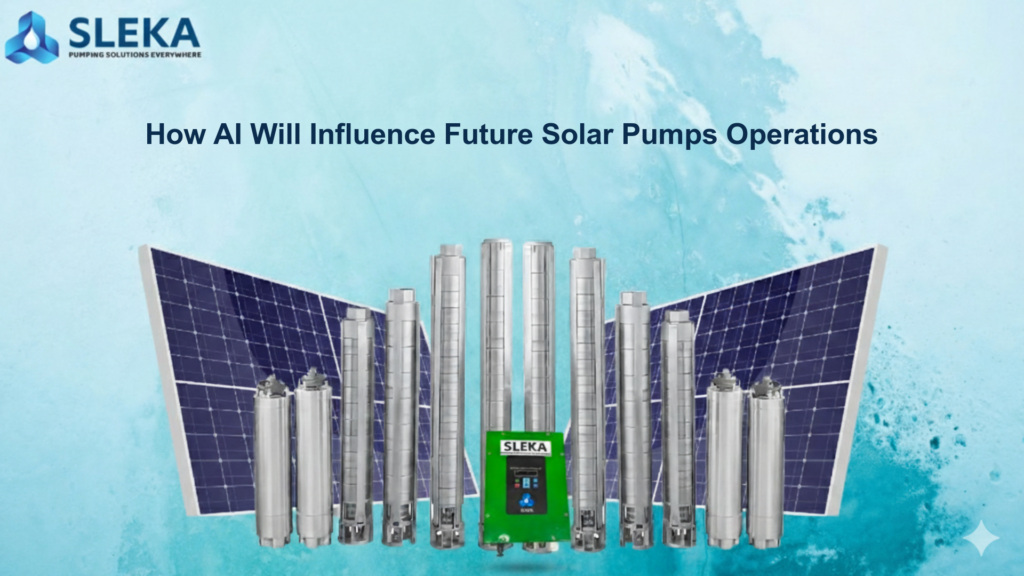
The rapid advancements in artificial intelligence (AI) are set to reshape various industries, and solar pumps are no exception. As the demand for sustainable energy solutions continues to rise, AI will play a pivotal role in enhancing the efficiency and reliability of future solar pumps. In this article, we will explore how AI will influence the operation of future solar pumps, focusing on high-efficiency pumps and solar submersible pumps.
The Role of AI in Solar Pump Efficiency
AI technologies are transforming the landscape of agricultural and industrial applications, particularly in optimizing the functionality of solar pumps. By leveraging predictive analytics and machine learning algorithms, operators can achieve enhanced performance in several ways:
-
Real-time Monitoring: AI can facilitate continuous monitoring of solar submersible pumps, allowing for instant feedback on performance metrics. This ensures that any anomalies are detected early, minimizing downtime and maintenance costs.
-
Predictive Maintenance: Utilizing AI, maintenance schedules can be optimized based on real-time data. By predicting when a component is likely to fail, the system can help in planning maintenance activities proactively, ensuring the pump continues running efficiently.
-
Optimized Energy Usage: AI algorithms can analyze weather patterns and energy consumption data to enhance the operational efficiency of high-efficiency pumps. This means solar pumps can operate at their peak performance during the most favorable conditions, maximizing water delivery while minimizing energy waste.
Enhancements in Solar Pump Operations
As solar pumps evolve, AI will enable significant enhancements in operations, which will be particularly beneficial for farmers and industries relying on consistent water supply. Some of these enhancements include:
-
Automated Adjustments: AI can help automate adjustments to pump operations based on various factors like water levels and solar intensity. This ensures that the pumps operate efficiently under varying conditions without manual intervention.
-
Data-Driven Insights: Continuous data collection and analysis will provide users with valuable insights into pump operations. By understanding usage patterns, operators can make informed decisions to optimize their systems further.
-
Integration with IoT: The Internet of Things (IoT) will work hand-in-hand with AI to create a smart ecosystem for solar pumps. This integration allows for synchronized operations across multiple pumps and systems, enhancing overall efficiency and effectiveness.
Future Prospects and Conclusion
The future for solar pumps looks promising as AI continues to drive advancements in technology. By embracing AI, farmers and industries can expect to see improved efficiency, reduced operational costs, and increased water availability. The move towards high-efficiency solar submersible pumps integrated with intelligent AI systems will not only promote sustainability but also enhance productivity in agricultural and industrial sectors.
As we prepare for the future, it’s essential for stakeholders in agriculture and industry to stay informed about these technological advancements. Investing in AI-powered solar pumps could lead to transformative efficiencies in operations and energy usage.
FAQ
1. How can AI improve the lifespan of solar pumps?
AI can predict maintenance needs and optimize operations, leading to less wear and tear on components, thus extending the lifespan of solar pumps.
2. What are solar submersible pumps?
Solar submersible pumps are designed to operate in underwater conditions, utilizing solar energy to power the pumping mechanism, ideal for various agricultural and industrial applications.
3. Are high-efficiency pumps worth the investment?
Yes, high-efficiency pumps reduce energy consumption and operational costs, providing a sustainable solution for water needs in both farming and industrial settings.
Harnessing the power of AI in future solar pumps can significantly impact efficiency and reliability. For more insights on solar solutions, visit SLEKA Industries.