

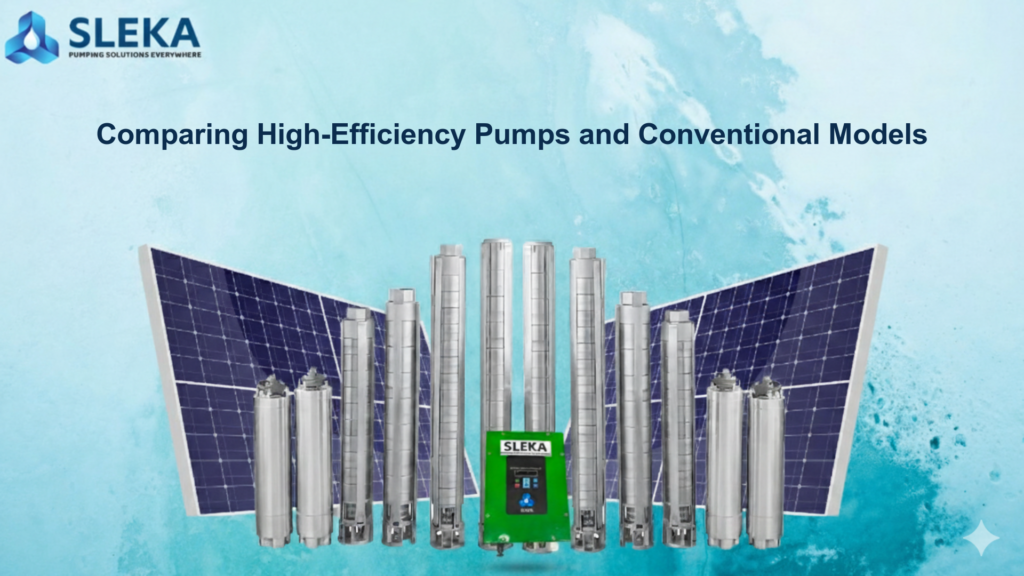
High-efficiency pumps are transforming the landscape of irrigation and industrial applications, providing substantial benefits over conventional models. As agriculture increasingly relies on advanced technology to optimize productivity and sustainability, understanding the advantages of these pumps is essential for farmers and businesses alike.
What are High-Efficiency Pumps?
High-efficiency pumps, particularly in the context of solar submersible pumps, use innovative technology to minimize energy consumption while maximizing water output. Unlike conventional pumps that operate on older designs, high-efficiency models are engineered to run more effectively, leading to operational cost savings. They are an ideal choice for irrigation, especially in regions where access to electricity can be a challenge.
Benefits of High-Efficiency Pumps Compared to Traditional Models
-
Energy Savings
High-efficiency pumps are designed to consume significantly less energy than their conventional counterparts. This reduction not only lowers electricity costs but also supports sustainability efforts, which are increasingly important in today’s agricultural practices. Utilizing solar pumps enhances these savings further, as they leverage renewable energy sources to power operations. -
Improved Performance
These pumps often feature advanced designs that allow for better performance, such as increased flow rates and higher overall efficiency. This means that farmers can achieve greater water distribution and coverage with less energy input, making solar submersible pumps particularly advantageous in expansive agricultural settings. -
Durability and Reduced Maintenance
When investing in equipment, longevity and maintenance requirements are critical factors. High-efficiency pumps tend to have longer lifespans and require less maintenance due to their superior engineering. This reliability is crucial for farmers and industrial users who depend on consistent performance throughout the seasons.
Future Trends in Solar Pumps
As the agricultural sector looks toward the future, the integration of technology within irrigation practices is inevitable. The development of future solar pumps is expected to focus on even higher efficiencies and enhanced capabilities. Innovations such as smart sensors and IoT integration are already being explored, allowing for real-time monitoring and adjustments to optimize water usage further. This technology would provide farmers with actionable insights, ensuring that resources are used judiciously while maximizing crop yields.
In conclusion, high-efficiency pumps are not just a trend; they represent a necessary evolution in agricultural practices and industrial applications. By investing in these advanced systems, farmers and businesses can achieve significant cost savings, improved performance, and a more sustainable approach to water management.
FAQ
1. What is the difference between high-efficiency pumps and conventional pumps?
High-efficiency pumps are built to use less energy while delivering higher performance compared to conventional pumps, which tend to consume more energy and have lower operational efficiencies.
2. Can high-efficiency pumps be powered by solar energy?
Yes, high-efficiency pumps can be effectively powered by solar energy, utilizing solar submersible pumps for sustainable irrigation solutions.
3. What are the maintenance requirements for high-efficiency pumps?
Generally, high-efficiency pumps require less frequent maintenance compared to conventional models, thanks to their advanced engineering and durability.
For more information about adopting high-efficiency pumps in your irrigation systems, visit SLEKA Industries today!