

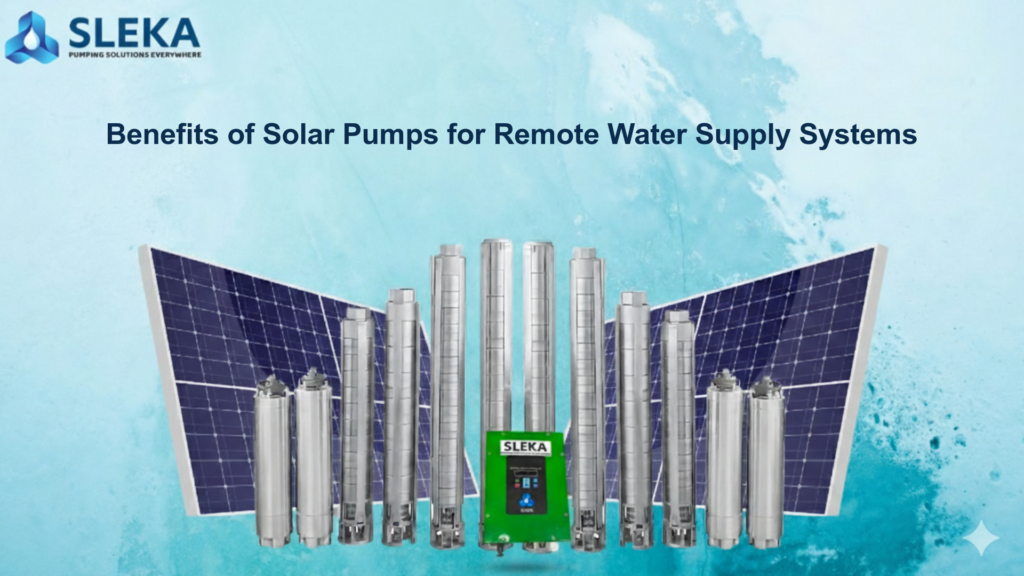
Solar pumps have emerged as a sustainable solution for water supply systems in remote areas, especially where traditional energy sources are unreliable or unavailable. These innovative systems harness the sun’s energy to power submersible pumps, offering numerous advantages for both agricultural and industrial applications. In this article, we explore the benefits of solar pumps and how they can transform water management in off-grid locations.
Harnessing Renewable Energy
One of the most significant benefits of solar pumps is their reliance on renewable energy. Unlike conventional water pumps that require grid electricity or diesel, solar submersible pumps function solely on solar power. This not only reduces operational costs but also minimizes environmental impact. By utilizing high-efficiency pumps that convert solar energy into mechanical power, users can ensure a stable and continuous supply of water without contributing to air pollution.
Cost Efficiency
Investing in solar pumps can lead to substantial savings over time. After the initial setup, the operational and maintenance costs are considerably lower than those associated with fossil fuel-powered systems. Solar pumps eliminate fuel expenses and significantly reduce power bills, making them an attractive option for farmers and businesses in remote areas. Additionally, programs promoting renewable energy solutions are enabling more users to access these cost-effective systems.
Reliability and Low Maintenance
Solar submersible pumps are designed for durability and reliability. They typically require less maintenance compared to traditional pumps, which can be prone to mechanical failures and wear due to moving parts. Since they have fewer components, the chances of breakdown are minimized. Moreover, modern advancements in technology have led to the development of future solar pumps that are not only more efficient but also equipped with smart operational features, allowing for remote monitoring and control.
Conclusion
In conclusion, solar pumps represent a valuable solution for water supply challenges, especially in remote regions. By leveraging renewable energy, they provide cost-effective, reliable, and low-maintenance alternatives to traditional pumping systems. As the world increasingly shifts towards sustainable practices, adopting solar submersible pumps can significantly improve water accessibility and management for various applications.
FAQ
1. How do solar pumps work?
Solar pumps work by converting sunlight into electricity, which powers the submersible pump to draw water from a well or other sources.
2. What are the benefits of using solar submersible pumps for irrigation?
They provide a continuous water supply, reduce electricity costs, and require minimal maintenance, making them ideal for irrigation in remote areas.
3. Can solar pumps work in cloudy conditions?
Yes, solar pumps can still operate even in cloudy weather, though efficiency may vary based on sunlight availability.
For more information on how solar pumps can benefit your farming or industrial operations, visit SLEKA Industries. Join the movement toward sustainable and efficient water supply solutions today.