

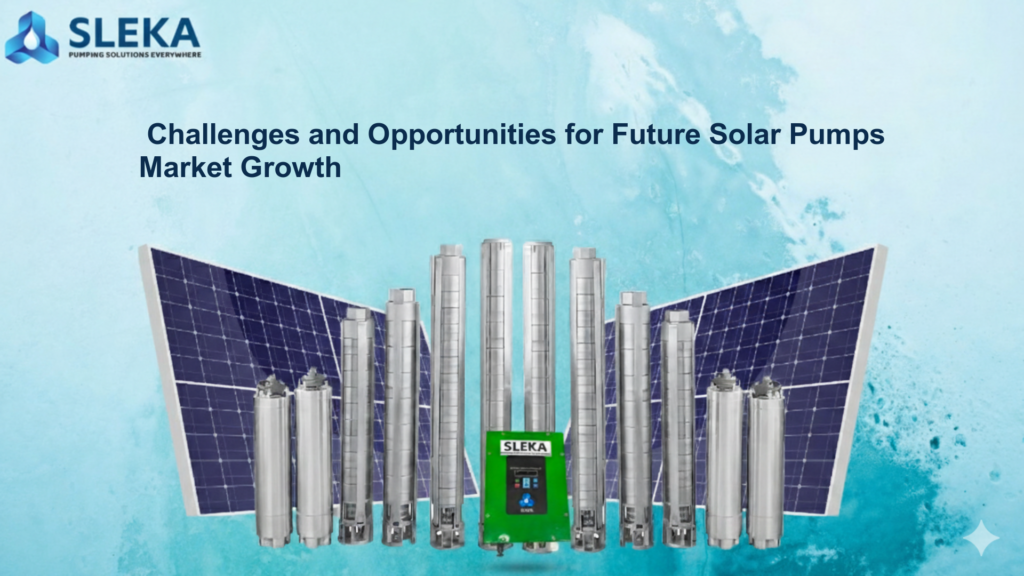
The solar pump market is witnessing transformative shifts, driven by advancements in technology and the growing need for sustainable agriculture. As we explore the challenges and opportunities for future solar pumps, it is essential to understand the landscape in which these high-efficiency pumps operate.
Understanding the Future of Solar Pumps
The future solar pumps market is poised for substantial growth due to the increasing demand for eco-friendly irrigation solutions. Farmers are increasingly looking for ways to reduce their dependence on traditional energy sources, and solar pumps offer an alluring solution. These systems not only lessen environmental impact but also enhance energy independence, making them an attractive choice for modern agriculture.
However, several challenges remain. The initial investment in solar technology can be significant, especially for small-scale farmers. Additionally, the effectiveness of submersible pumps relies on specific environmental conditions, which means that not every region may benefit equally from solar-powered solutions.
Addressing Challenges in the Solar Pump Market
The high upfront costs associated with high-efficiency pumps can deter potential buyers. Many farmers may need assistance in understanding financing options or how to maximize the benefits of solar technology.
Moreover, the availability of reliable service and maintenance can be a hurdle. The lack of skilled technicians to maintain solar submersible pumps can lead to operational downtimes, discouraging farmers from investing in these solutions.
To overcome these challenges, companies like SLEKA Industries are focused on providing education and resources to help farmers navigate their options in solar irrigation. Ensuring that users are well-informed about installation, maintenance, and financing can significantly enhance adoption rates.
Opportunities for Growth in Solar Pumps
As awareness of the benefits of renewable energy continues to grow, the opportunity for future solar pumps expands significantly. The agricultural sector can benefit tremendously from integrating solar-powered solutions, leading to cost savings in the long run.
Furthermore, government incentives and subsidies aimed at promoting renewable energy can play a pivotal role in accelerating the adoption of solar pumps in rural India. By collaborating with local governments and communities, businesses can create tailored solutions that address specific regional needs.
Innovations in solar technology, such as improved battery storage systems, are also set to enhance the capabilities of solar submersible pumps. These advancements will allow for greater flexibility in irrigation practices, enabling farmers to access water whenever necessary—regardless of sunlight availability.
Conclusion
The future solar pumps market presents both challenges and opportunities as the shift towards sustainable agriculture continues. By investing in education and maintaining a focus on technological advancements, companies can not only help overcome barriers but also foster a thriving community of solar pump users.
As the agriculture landscape evolves, embracing solutions like solar submersible pumps can significantly contribute to a more sustainable future.
FAQ
1. What are the main benefits of using solar pumps in agriculture?
Solar pumps provide eco-friendly irrigation solutions, reduce reliance on traditional power sources, and lower operational costs in the long term.
2. How do solar submersible pumps work?
Solar submersible pumps operate using solar energy to power a motor that drives water extraction, making them efficient and sustainable for irrigation purposes.
3. What support is available for farmers wanting to switch to solar pumps?
Farmers can access educational resources, potential financing options, and local support for maintenance through companies like SLEKA Industries.
Transitioning to solar-powered solutions can profoundly impact your farming practices. For more information on how SLEKA Industries can assist you, visit our website.