

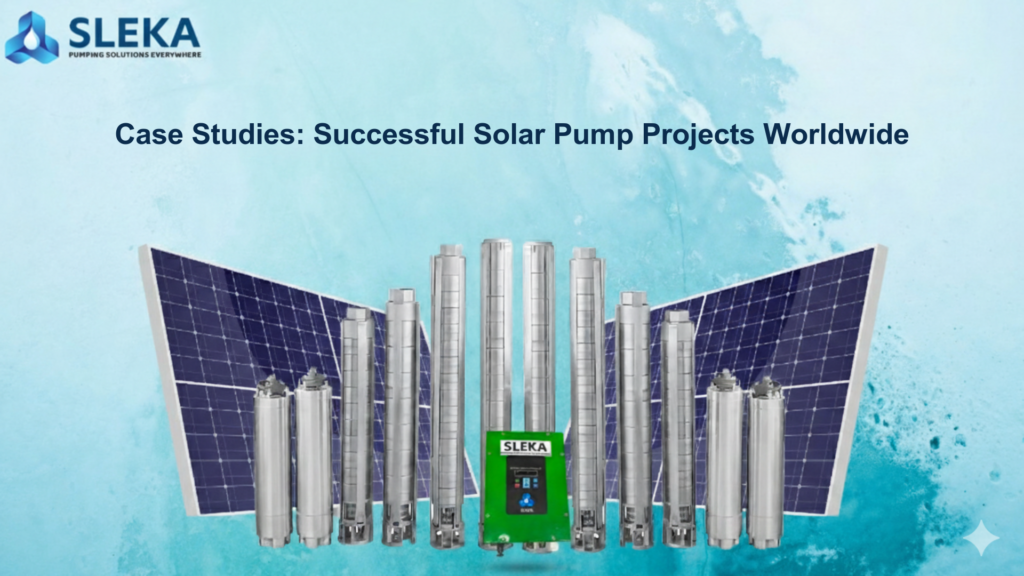
Case Studies: Successful Solar Pump Projects Worldwide
As the demand for sustainable agricultural solutions rises, solar pumps have rapidly gained popularity across the globe. These innovative systems integrate renewable energy into irrigation processes, transforming agricultural practices, especially in regions with inconsistent energy access. In this article, we will explore notable case studies that highlight the successful implementation of solar pumps, showcasing their effectiveness in transforming agricultural landscapes.
Case Study 1: The Rise of Solar Submersible Pumps in Maharashtra
In Maharashtra, India, farmers in arid regions have turned to solar submersible pumps to mitigate the challenges of water scarcity. These high-efficiency pumps have dramatically improved irrigation capabilities. By harnessing solar energy, farmers can access groundwater, which was previously difficult to extract due to high energy costs. The results have been striking: increased crop yields and reduced dependency on traditional diesel pumps, resulting in lower operational costs. This shift has empowered farmers, enabling them to adopt more sustainable farming practices.
Case Study 2: Solar Pumps Revolutionizing Agriculture in Africa
Across Africa, solar pumps are driving agricultural advancements in various countries, including Kenya and South Africa. These regions have seen a significant impact from solar energy solutions, particularly when integrated into community-based farming systems. For instance, a rural cooperative in Kenya implemented solar pumps to irrigate their communal gardens. The transition to solar-powered irrigation systems reduced reliance on fossil fuels and enhanced food security by allowing the cultivation of diverse crops throughout the year. The community witnessed improved livelihoods and a sustainable model that can be replicated in other regions.
Case Study 3: Transforming Industrial Water Supply in Australia
In Australia, the deployment of solar pumps extends beyond agriculture. Various industrial sectors, such as mining and manufacturing, have adopted solar submersible pumps for water supply. These systems effectively reduce operational costs, showcasing how solar technology is versatile and efficient in different applications. Companies utilizing high-efficiency pumps have reported significant savings in energy bills while complying with environmental regulations. The case of a mining operation in Queensland highlights how transitioning to solar solutions not only enhances operational sustainability but also aligns with corporate social responsibility goals.
Conclusion
The successful implementation of solar pumps in various regions illustrates their capacity to revolutionize agricultural and industrial practices. Through these case studies, it is evident that investing in solar submersible pumps offers a sustainable solution to water management challenges while promoting economic growth. As the future of farming leans towards renewable energy, the role of solar pumps will only become more pronounced, helping communities thrive with efficient and eco-friendly solutions.
FAQ
1. What are solar pumps?
Solar pumps are water pumping systems powered by solar energy, designed for agricultural and industrial applications. They provide a sustainable alternative to traditional fossil-fuel-powered pumps.
2. How do solar submersible pumps work?
Solar submersible pumps operate by converting solar energy into electrical energy through solar panels, which then powers a submersible pump to move water from underground sources.
3. What are the benefits of using solar pumps in agriculture?
Solar pumps offer several benefits, including reduced energy costs, environmental sustainability, and improved access to water for irrigation, leading to enhanced crop yields.
SLEKA Industries is dedicated to providing innovative solar solutions for agricultural and industrial needs. Explore more about our products and services at SLEKA.