

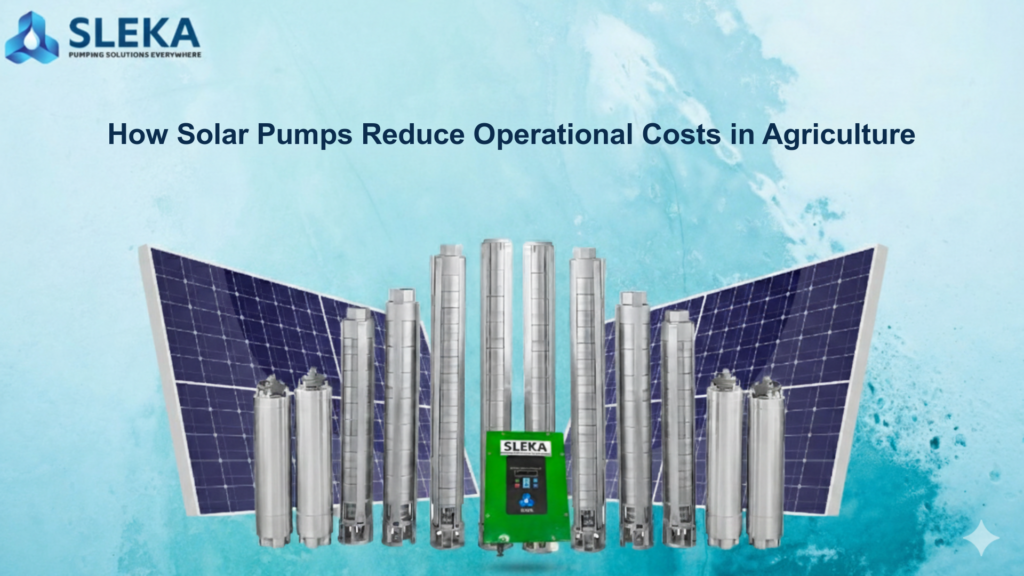
How Solar Pumps Reduce Operational Costs in Agriculture
In the ever-evolving world of agriculture, cost efficiency plays a significant role in the success of farming operations. One of the most beneficial technologies emerging in this field is the use of solar pumps. Solar pumps, particularly solar submersible pumps, offer farmers an innovative solution to reduce operational costs while boosting productivity. In this article, we’ll explore how these high-efficiency pumps are transforming agriculture and paving the way for a sustainable future.
The Advantages of Solar Pumps in Agriculture
Solar pumps harness the power of sunlight to operate effectively, bringing various advantages to agricultural practices. Here’s how they contribute to reduced operational costs:
-
Lower Energy Costs
Traditional irrigation methods rely heavily on electricity or diesel, which can drive up energy expenses. Solar pumps, powered by renewable energy, eliminate these costs, providing a cost-effective solution for farmers. This shift not only leads to substantial savings in operational costs but also reduces dependency on fossil fuels. -
Minimal Maintenance Requirements
Solar submersible pumps are designed for durability and longevity. With fewer moving parts than conventional pumps, they require less maintenance, which means less frequent expenses for repairs and replacements. This reliability allows farmers to focus more on their crops rather than on machinery upkeep. -
Efficiency and Productivity
High-efficiency pumps ensure that water is delivered to crops more effectively. This targeted irrigation means that farmers can utilize water resources efficiently, reducing wastage and costs associated with over-irrigation. Additionally, crops receive consistent water supply, enhancing yields and thereby increasing profitability.
The Future of Solar Pumps in Agriculture
As agricultural practices continue to evolve, the advancements in solar pump technology are paving the way for a sustainable future in farming. Future solar pumps are expected to incorporate even higher efficiency rates and smart technology, allowing for better monitoring and management of irrigation systems. These innovations will further empower farmers to optimize their operations and reduce costs.
Moreover, with growing awareness of environmental issues, the adoption of solar pumps aligns perfectly with sustainable agricultural practices. Moving towards renewable sources not only ensures profitability for farmers but also contributes to preserving vital natural resources.
Conclusion
In conclusion, the implementation of solar pumps in agriculture stands as a promising solution for farmers looking to reduce operational costs while enhancing productivity. By integrating solar submersible pumps into their irrigation practices, farmers can benefit from lower energy costs, reduced maintenance needs, and increased efficiency. The future of agriculture looks bright with the continued development of these high-efficiency pumps, ensuring a sustainable and cost-effective approach to farming.
FAQ
1. What are solar submersible pumps?
Solar submersible pumps are pumps powered by solar energy that are used for pumping water from deep underground sources for irrigation or water supply.
2. How do solar pumps reduce energy costs?
By using solar energy instead of conventional electricity or diesel, solar pumps eliminate the energy costs associated with traditional pumping methods, leading to significant savings.
3. What maintenance do solar pumps require?
Solar pumps require minimal maintenance due to their durable construction and fewer moving parts compared to traditional pumps, making them a reliable choice for farmers.
For more information on how SLEKA’s products can support your agricultural needs, visit us at SLEKA Industries. By investing in solar technology today, you’re not just cutting costs; you’re also planting the seeds for a greener tomorrow.