

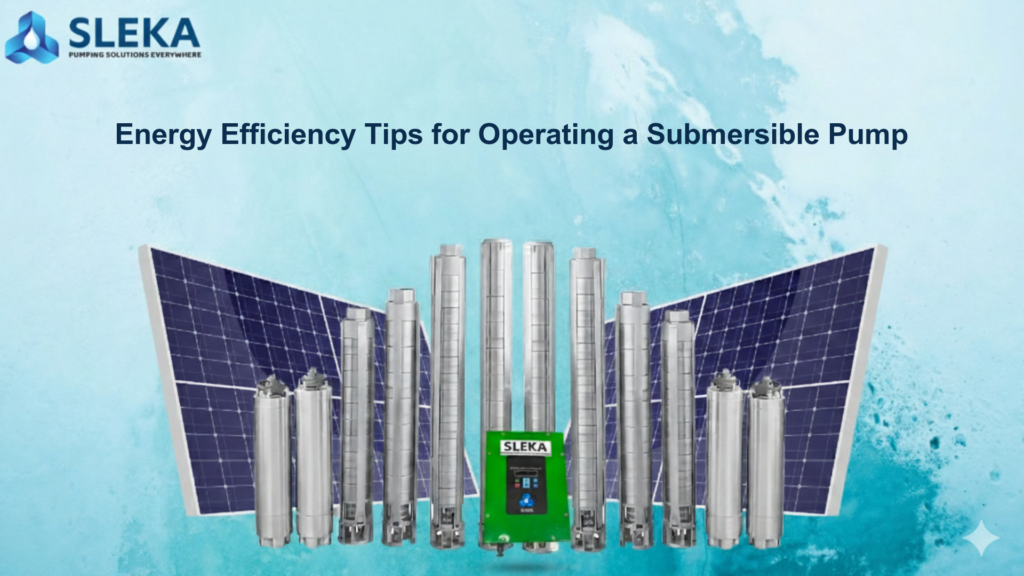
Energy Efficiency Tips for Operating a Submersible Pump
In recent years, submersible pumps have become an essential solution for various agricultural and industrial applications. These pumps are particularly valued for their efficiency and reliability. However, to maximize their performance and longevity, understanding energy efficiency is pivotal. This article presents crucial tips for operating submersible pumps effectively while ensuring energy savings.
Understanding Submersible Pumps
Submersible pumps are designed to be submerged in the fluid they are pumping, making them ideal for applications like irrigation, drainage, and water supply in agricultural settings. When operating solar pumps, such as solar submersible pumps, energy efficiency can significantly influence operational costs and environmental sustainability. Choosing high-efficiency pumps can further reduce energy consumption and operational costs.
Choosing the Right Pump
Assess Your Requirements
Before selecting a submersible pump, it’s essential to evaluate the specific needs of your application. Calculate the flow rate and the total dynamic head (TDH) required. The right pump should match your operational needs without oversizing, which can lead to energy wastage.
Opt for High-Efficiency Models
High-efficiency pumps are designed to maximize performance while minimizing energy consumption. Investing in a high-efficiency submersible pump can lead to significant energy savings, especially in the long term. As the demand for sustainable practices grows, future solar pumps are likely to incorporate even more efficient technologies, making them an excellent addition to any agricultural or industrial setup.
Maintenance for Peak Efficiency
Regular Inspections
To ensure your submersible pump functions optimally, regular maintenance is crucial. Inspect the pump for wear and tear, check electrical components, and clean inlet filters as needed. Routine maintenance helps to prevent potential issues that can impact energy efficiency.
Monitor Performance
Regularly monitor the performance of your submersible pump. Keeping track of parameters such as flow rate, power consumption, and pressure levels can help identify inefficiencies early. If you notice any deviations, it may be time to consult with a professional to assess whether maintenance or replacement is necessary.
Conclusion
Maximizing the energy efficiency of submersible pumps is not only beneficial for operational costs but also contributes to environmental sustainability. By choosing the right high-efficiency pump, conducting regular maintenance, and monitoring performance, users can ensure that their pumps operate at peak efficiency. For those looking to invest in solar solutions, SLEKA Industries offers advanced solar submersible pumps designed for reliability and efficiency.
FAQ
1. What are the main advantages of using a submersible pump?
Submersible pumps are more efficient than many other types of pumps as they are designed to push water to the surface rather than pulling it, which can reduce energy consumption significantly.
2. How often should I maintain my submersible pump?
It is recommended to perform maintenance checks at least once a season, or more frequently if the pump is used heavily or under harsh conditions.
3. Are solar submersible pumps more efficient than traditional pumps?
Yes, solar submersible pumps can be more efficient, especially in remote areas with no access to electricity. They harness solar energy, reducing operational costs while promoting sustainability.
For more information on selecting and maintaining submersible pumps, visit SLEKA Industries. Your dependable partner in water management solutions.