

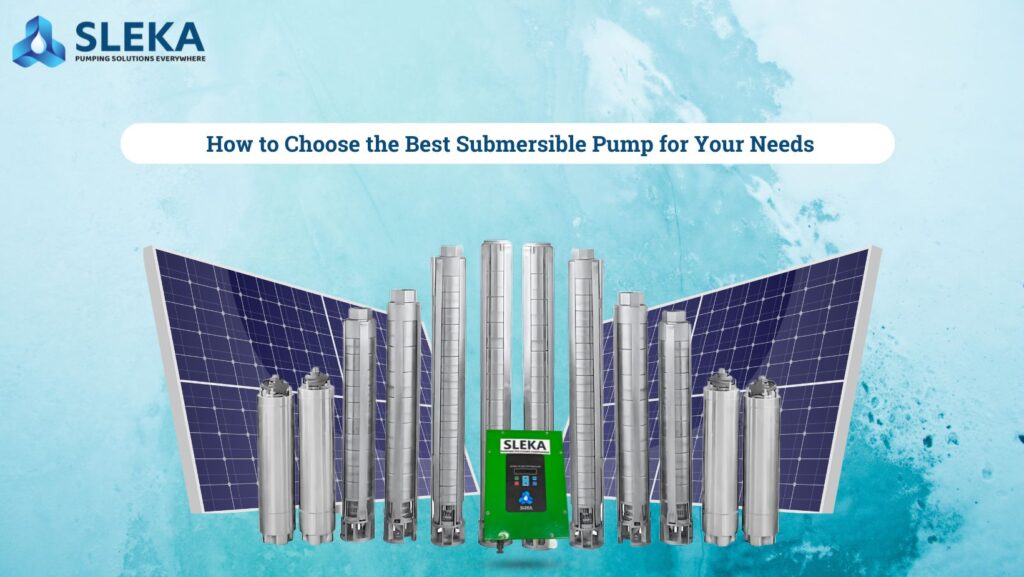
Choosing the right submersible pump can significantly impact the efficiency and effectiveness of irrigation or fluid handling for agricultural and industrial applications. With a myriad of options available in the market, selecting the best submersible pump tailored to your specific needs can seem daunting. This guide will help you navigate through the essential factors to consider in your choice.
Understanding the Application
The first step in choosing the best submersible pump is to clearly define its intended application. Submersible pumps are used in various settings, including:
- Agricultural irrigation
- Wastewater management
- Industrial fluid transport
- Water supply and drainage
Each application has different requirements regarding flow rate, head height, and fluid characteristics. For instance, agricultural applications usually involve clean water, while wastewater transfers may require handling solids or corrosive substances.
Key Specifications to Consider
When evaluating submersible pumps, focus on the following key specifications:
-
Flow Rate: This is the volume of fluid the pump can move in a given time frame, typically measured in liters per minute (LPM) or cubic meters per hour (CMH). Ensure the pump’s flow rate meets your system’s demands.
-
Head Height: The head height is the vertical distance the pump can lift the fluid. It’s crucial to match the pump’s head capabilities with the depth of the water source and the height to which the water needs to be delivered.
-
Power Source: Submersible pumps can be powered by electricity, solar energy, or generators. Assess the availability and reliability of power sources at your site to determine the best option.
-
Material and Design: Depending on the nature of the fluid being pumped, choose a pump made from suitable materials to prevent corrosion or wear. Stainless steel is often recommended for durability and longevity.
-
Pump Efficiency: Look for pumps that offer high efficiency. An efficient pump will not only reduce operational costs but also minimize environmental impacts.
Installation and Maintenance Considerations
The installation and maintenance requirements of the submersible pump should not be overlooked. Here are some considerations to keep in mind:
- Easy Installation: Choose a pump that comes with comprehensive installation guidelines or professional support, ensuring a seamless setup.
- Maintenance Access: Regular maintenance is key to longevity. Consider pumps that allow easy access for maintenance checks and repairs.
- Warranty and Support: An established brand often provides better warranties and customer support, ensuring peace of mind for users.
Conclusion
Selecting the best submersible pump involves understanding your specific needs and carefully evaluating various options based on application, specifications, and maintenance. By doing your research and choosing a reliable brand like SLEKA, you can ensure your investment in a submersible pump will meet your operational needs efficiently.
FAQ
-
What is the lifespan of a submersible pump?
The lifespan typically ranges from 5 to 15 years, depending on usage and maintenance. -
How do I know the right size of the submersible pump for my needs?
Calculate your flow rate and head height requirements based on your specific application to determine the correct size. -
Can I use a submersible pump for both clean and dirty water?
Yes, but ensure you choose a pump specifically designed for handling dirty water, as it will have features to manage solids and debris.
For more information on choosing or installing submersible pumps, feel free to reach out to SLEKA Industries. We are here to help you make informed decisions for your pumping needs.