

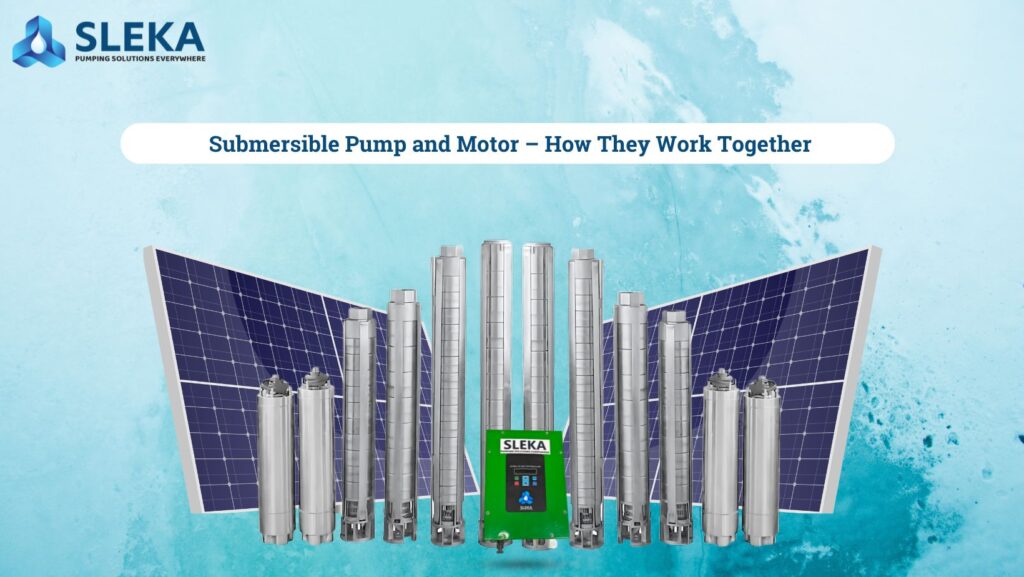
Submersible Pump and Motor – How They Work Together
In the world of agriculture and industrial water management, the collaboration between a submersible pump and motor is vital. These two components work in unison to efficiently extract and transport water from underground sources to the surface. Understanding how a submersible pump and motor function together can help farmers and industrial operators optimize their operations, ensuring a reliable water supply for irrigation, livestock, and other essential processes.
The Basics of Submersible Pumps
A submersible pump is designed to operate underwater in boreholes or wells. Unlike traditional pumps, which draw water up from a surface level, submersible pumps are placed directly in the water source. This design is particularly useful in agricultural and industrial applications where water needs to be extracted from significant depths. The main components of a submersible pump include:
- Impeller: This is the rotating part that creates the flow of water.
- Motor: Submersible pumps are powered by electric motors that are sealed to prevent water ingress.
- Pump Body: Houses the components and protects them from environmental factors.
The design of these pumps allows them to push water to the surface efficiently, which saves energy and reduces wear and tear compared to other pumping methods.
The Role of the Motor in Submersible Pumps
The motor is the heart of the submersible pump, providing the necessary power to operate the pump mechanism. Most submersible pump motors are electrical and designed as submersible units, allowing them to function safely while submerged. Key features of submersible pump motors include:
- Sealing: Motors are equipped with advanced sealing technologies to prevent water damage.
- Cooling: The surrounding water serves to cool the motor, allowing it to operate without overheating.
- Power Efficiency: Many modern motors are designed for high efficiency, providing the necessary force while minimizing energy consumption.
Together, the submersible motor and pump create a system that effectively lifts water from underground sources, ensuring optimal performance in agricultural fields and industrial settings.
How They Work Together
The synergy between the submersible pump and motor is what makes this setup so effective. When the motor is activated, it turns the impeller within the pump. As the impeller spins, it generates a low-pressure area at the intake, which allows water to enter the pump. The rotating impeller then pushes the water upward through a series of diffusers or volutes, gradually increasing the pressure and moving the water to the desired location.
This coordinated effort ensures that water can be rapidly and efficiently transported, making it a preferred choice for many agricultural and industrial applications. Additionally, proper maintenance of both the pump and motor is essential to ensure longevity and dependable performance in the field.
In conclusion, understanding the mechanics of submersible pumps and motors is crucial for those involved in agriculture and industrial water management. By recognizing how these components work together, operators can optimize their systems for maximum efficiency and reliability.
FAQ
- What is the average lifespan of a submersible pump and motor?
- Typically, a well-maintained submersible pump and motor can last anywhere from 5 to 15 years, depending on usage and water quality.
- How often should I service my submersible pump and motor?
- Regular inspections should be performed at least once a year, with more frequent maintenance needed for high-use systems.
- Can submersible pumps be used for both agricultural and industrial purposes?
- Yes, submersible pumps are versatile and can be used in various applications, including irrigation systems, livestock watering, and industrial processes.
For more information on optimizing your water management systems, explore our range of products at SLEKA Industries. We are here to support your needs with reliable solutions for all your pumping requirements.